economic development

  • | | | | | | | | | | | | | | | | | | | | | |

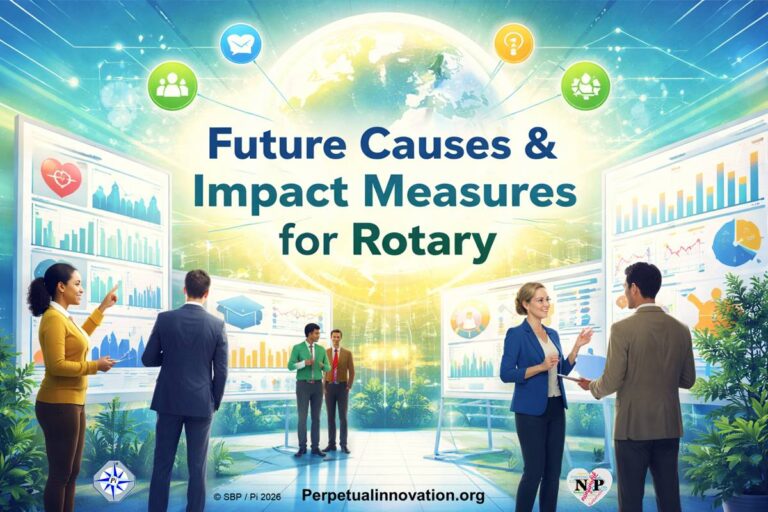
    Future Causes and Impact Measures for Rotary: From Inputs to Human-Centered Impact

    How AI, attribution, and impact dashboards are transforming Rotary’s future causes and measurable outcomes (with accompanying white paper) The future causes and impact measures for Rotary are no longer defined by how much is given, but by what is changed. As expectations rise across philanthropy and sustainability, Rotary impact measurement is shifting toward human-centered impact…
  • | | | | | | | | | | | | | |

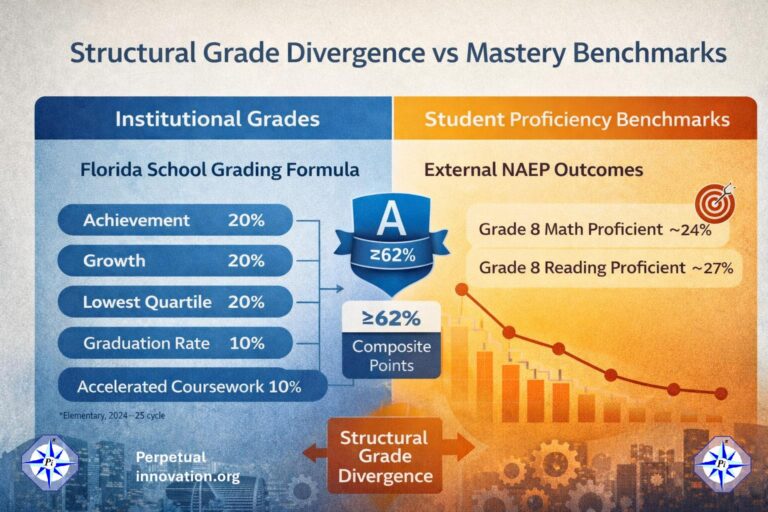
    When School Grades Stop Measuring Mastery

    Structural grade divergence and the repricing of educational signals Structural grade divergence is reshaping how we interpret school performance, credential value, and ultimately workforce readiness. What appears at first glance to be a debate about grade inflation is, in reality, a systems architecture issue with long-term implications for productivity, innovation, and economic competitiveness. Our newly…

  • | | | | | | | | | | | | |

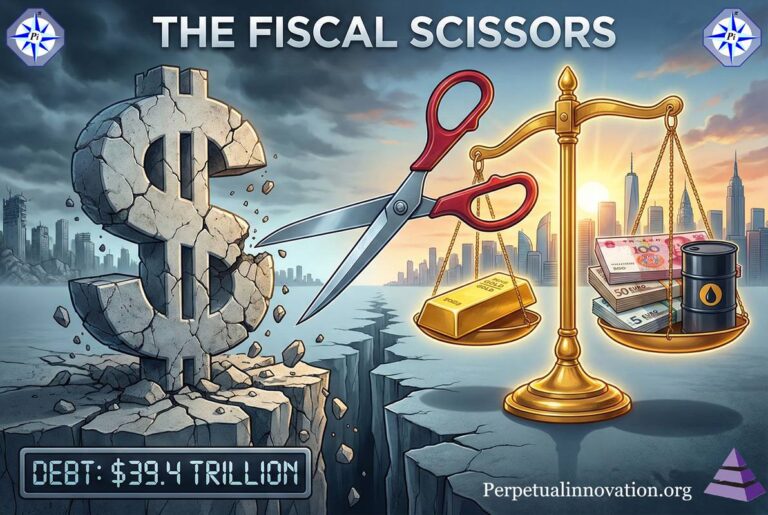
    The Fiscal Scissors: Structural Pressure Points in the U.S. Economy

    The United States faces what we describe as a “Fiscal Scissors” dynamic — a widening structural gap between the growth rate of federal U.S. debt 2026 and the growth rate of the productive economy. This divergence does not emerge from a single fiscal year anomaly; it reflects a compounding trajectory that shapes long-term policy constraints….

  • | | | | | | |

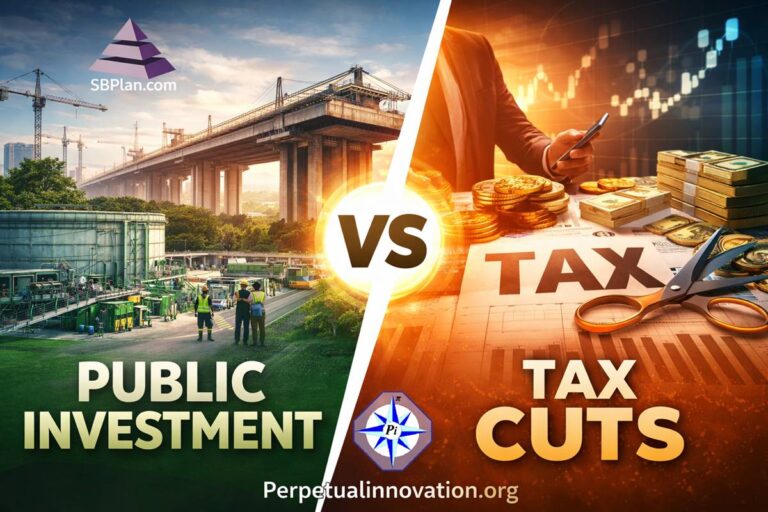
    Public Investment vs Tax Cuts: Competing Paths to Productivity

    How infrastructure-led growth and supply-side economics shape long-term productivity Public investment vs tax cuts remains one of the most consequential economic debates of the past decade, particularly when evaluated through the lens of productivity rather than short-term GDP growth. As argued in the related analysis, 3Q25 GDP: Half Full, Half Empty — and Still Missing…

  • | | | | | | | | | | | | | | | | |

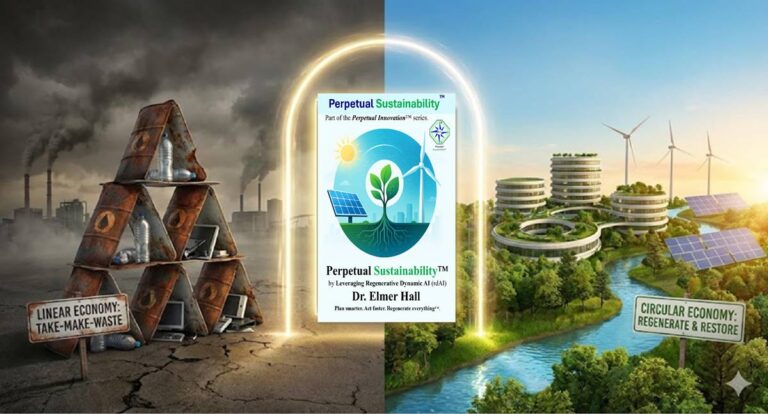
    Linear Economy vs Circular Economy: Why Solvency Matters

    Modern economies are often evaluated by growth, productivity, and short-term profitability. Yet these metrics can obscure a more fundamental question: Is the system solvent when all costs are counted? The distinction between a linear economy and a circular economy is not primarily an environmental debate—it is an accounting one. Linear systems extract resources, convert them…

  • | | | | | | | |

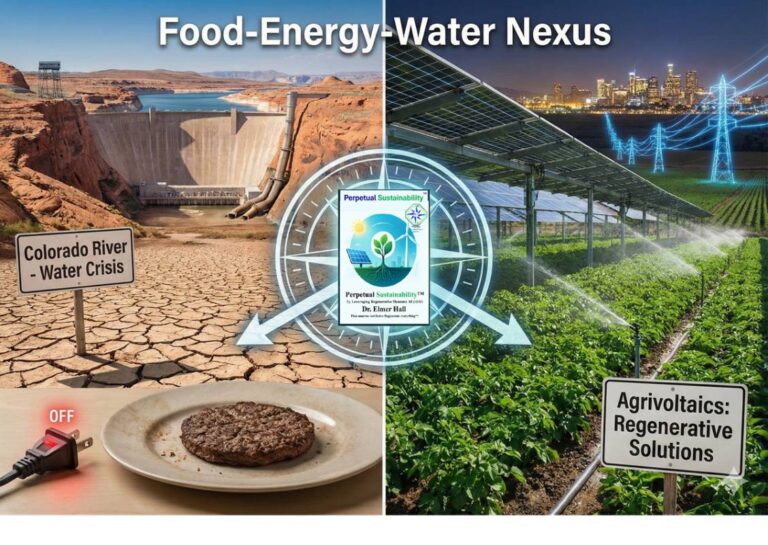
    Food-Energy-Water Nexus: Why System Failures Are Accelerating

    Food production, energy generation, and water availability are often managed as separate challenges, governed by different agencies, markets, and policies. In reality, they are tightly interconnected parts of a single system known as the Food-Energy-Water Nexus. When decisions are made in silos, stress in one area quickly propagates into the others, creating cascading failures that…