
Tight Labor Market is Hitting Nonprofits Hard

Nonprofits generally pay less than other options, government or private sector. With high costs of living and a super tight labor market, nonprofits are seeing a double whammy.
See an article by Kohli from the Boston Globe, In a tight labor market, nonprofits are losing out.
They need to raise wages rapidly to employees, but starting at a low level to begin which means that employees are pressured to go into the government or private sector — sometimes with a 2x or 3x salary increase.

The great COVID disruption may have multiple other macroeconomic impacts on nonprofits; some may help or aggravate the issue of tight labor squeeze. As the article discusses, many nonprofits — say food pantries and youth services — may find the needs increasing dramatically.

Two of the biggest questions for the nonprofit are related to increases/decrease in funding, and increases/decreases in volunteers. These are good topics for future blog posts.


Similar Posts

  • |

    Giving Season and a Sustainable Earth

    It is giving season, with Giving Tuesday coming up after the long Thanksgiving weekend. Now is the best time of the year to reach out to your Donors and make sure that they are thinking of you as they give thanks for the year and give donations into the end of the tax year.  GivingTuesday.org …

  • | | | | |

    Where and How to Volunteer and Donate Locally

    A strategic guide to evaluating charities, finding volunteer opportunities, and maximizing community impact Where and how to volunteer and donate locally is a question many people ask when they want to support their communities but are unsure where to begin. With thousands of nonprofits, civic programs, and community initiatives competing for attention, choosing where to…

  • | | | | | | | | | |

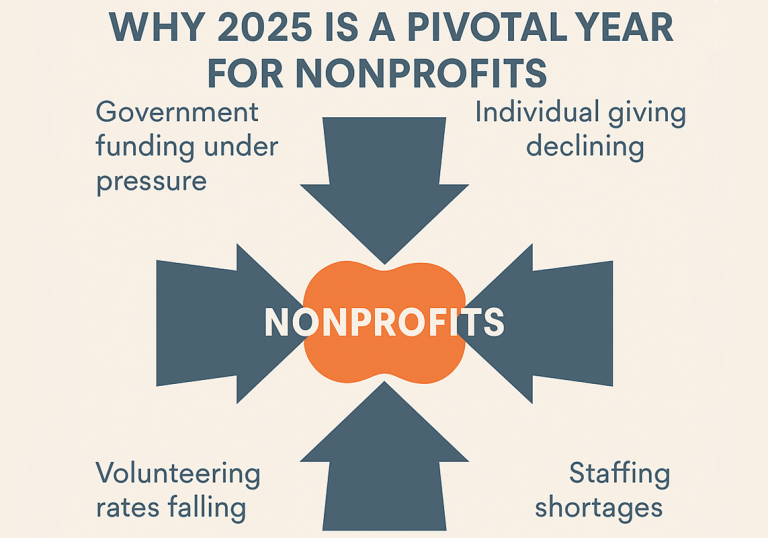
    Squeezed in 2025: Financial Pressure and Strategic Response for Nonprofits (Part 1 of 3)

    Squeezed Nonprofits Face an Economic Stress Test Squeezed nonprofits 2025 are facing unprecedented pressure. Inflation continues to ripple through every aspect of their operations, from staffing and supplies to rent and transportation. Meanwhile, federal and state funding is tightening, and many grantmaking foundations are adjusting priorities away from general operating support. The result? A financial…

  • | |

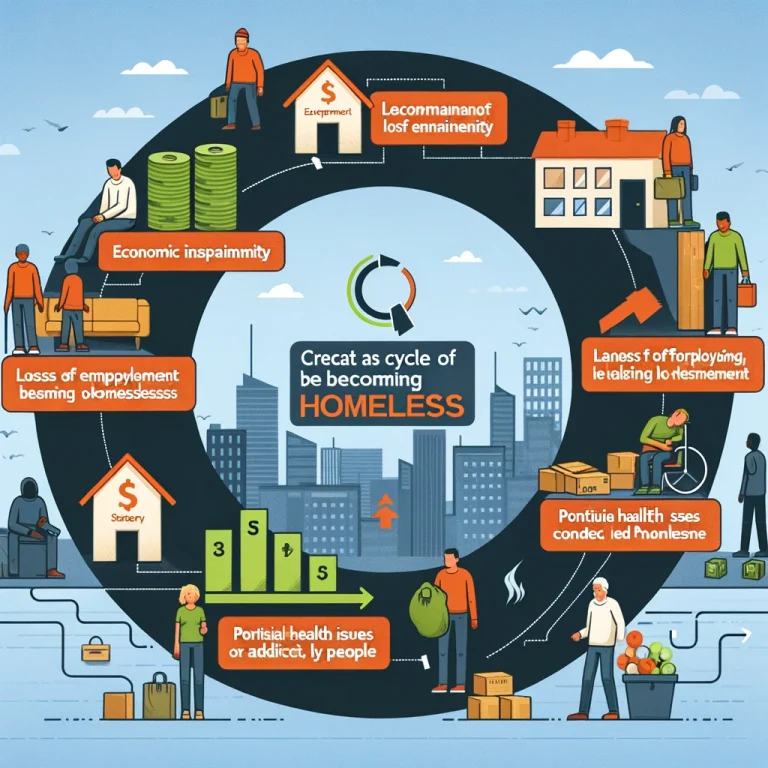
    Delphi AI: Homelessness Research

    These are the prompts used to gather information about homelessness and to develop a Delphi Method study to research causes and possible interventions (locally).  This is part of our Regenerative AI project; recreate as needed, when needed, with the GenAI engines available to you at that time. Select GenAI results as of April 2024 of…

  • | | | | | | | | | | | | | | | | |

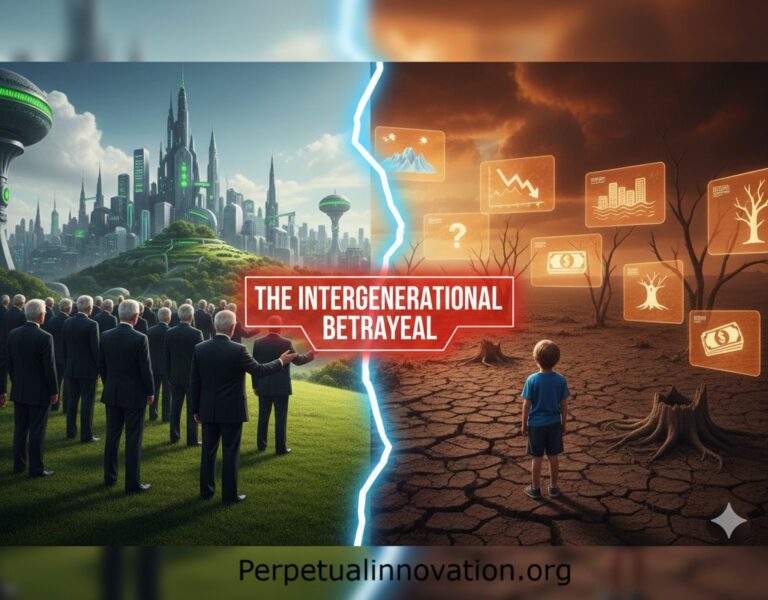
    Intergenerational Betrayal: Why Short-Termism Fails the Future on Climate

    — Article 2 of 2: The Intergenerational Betrayal — With COP30 now concluded in Belém, the global consensus on climate action faces a moment of reckoning. The final outcome—while preserving multilateral cooperation—fell short of transformational commitments, most notably by omitting any agreement to phase out fossil fuels. As Article 1 established, collective efforts remain aligned…

  • | | | | | | | | | | | | | | |

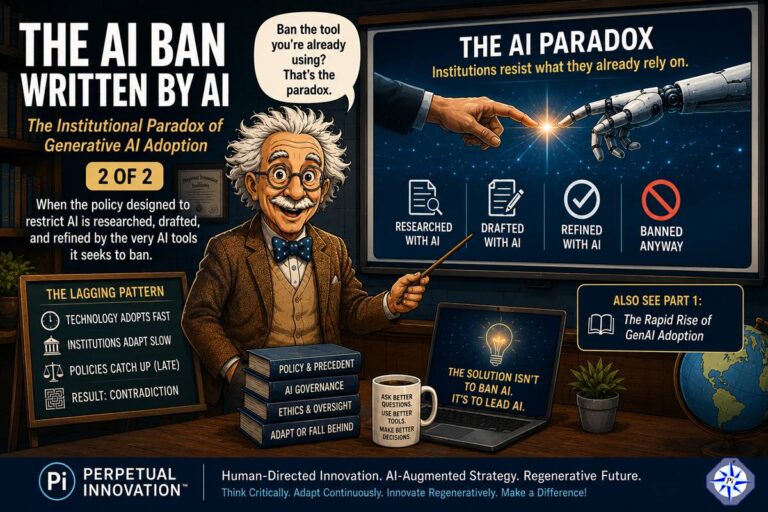
    The AI Ban Written by AI: Plagiarism, Policy, and the Ghost of Wikipedia

    Subtitle: Everyone is using GenAI. The real question is whether we can learn to use it honestly, wisely, and well. The policy says, “No AI.” The teacher used AI to draft the policy. The student used AI to interpret the policy. The administrator used AI to summarize the violation. The committee will now meet for…