Should Monsanto own patent rights on the elements of life? – Los Angeles Times

Should Monsanto own patent rights on the elements of life? – Los Angeles Times:

Few people realize how patent intensive the food industry has become.

The top 10 seed companies account for 2/3 of all seeds sold.

A huge % of the seed sold are patented. Wow!

“Over an 11-year period, the cost per acre of planting soybeans has risen a dramatic 325%.” Ouch!…
BUT if the yield is improved, then the added cost to sow is well justified.

Remember that genetically modified  (GMO) can/possibly be patented, organic not.

But owning a gene and the patent on all activity to monitor/manage/tread based on that gene has interesting implications.  You can expect the pharma industry to watch this law suit in plants very closely.

Keywords: GMO, organic, plant patents, Monsanto, seeds, farming, law suit,  genes,
‘via Blog this’

Similar Posts

  • | | | | | |

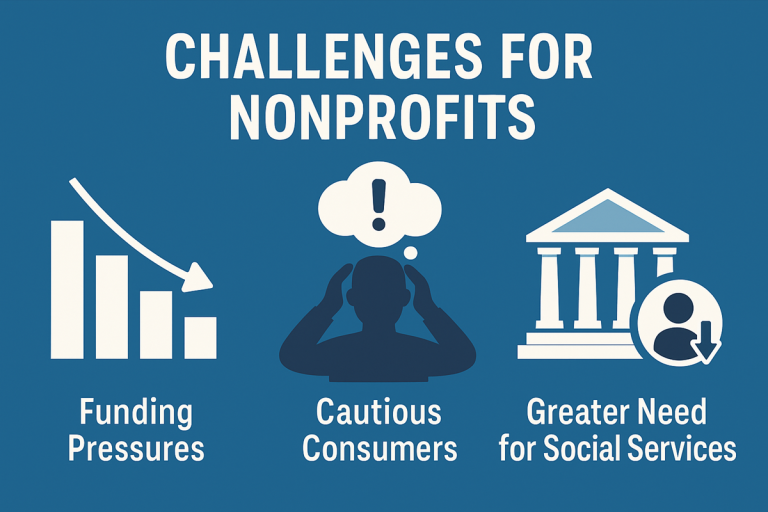
    Squeezed Nonprofits 2025: The People Problem for Charities (3 of 3)

    Introduction: Nonprofit Sector Under Strain Squeezed nonprofits 2025 across the country are not only struggling financially—they’re struggling to hold onto their most valuable asset: people. This “people problem” spans paid staff, volunteers, board members, and even executive directors. As inflationary pressures persist and burnout rises, many nonprofits are facing record turnover and a shrinking talent…

  • |

    A single round (1 round) Delphi study. How can that be? – Scenario Plans (

    A single round (1 round) Delphi study. How can that be? – Scenario Plans (: Give a look at the two blogs related to Scenario plans and Delphi studies related to the 2007 research by Dr. Cheryl Lentz. Notice how Delphi-type research can be used for all kinds of studies. These are two blog posts….

  • | | | | | | | | | | | | | | | | |

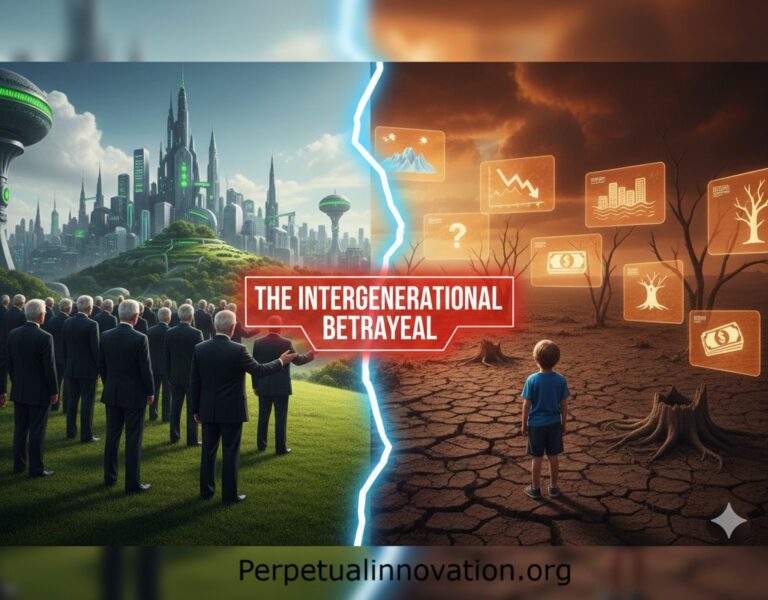
    Intergenerational Betrayal: Why Short-Termism Fails the Future on Climate

    — Article 2 of 2: The Intergenerational Betrayal — With COP30 now concluded in Belém, the global consensus on climate action faces a moment of reckoning. The final outcome—while preserving multilateral cooperation—fell short of transformational commitments, most notably by omitting any agreement to phase out fossil fuels. As Article 1 established, collective efforts remain aligned…

  • 3-D Printer Brings Dexterity To Children With No Fingers : Shots – Health News : NPR

    3-D Printer Brings Dexterity To Children With No Fingers : Shots – Health News : NPR: This is just a little of the types of innovation that are possible with such new tech as 3-D printers and an open learning and open sharing mentality. One guy is a puppeteer, one is great at building prosthetics….

  • | | | | | | | | | | | | |

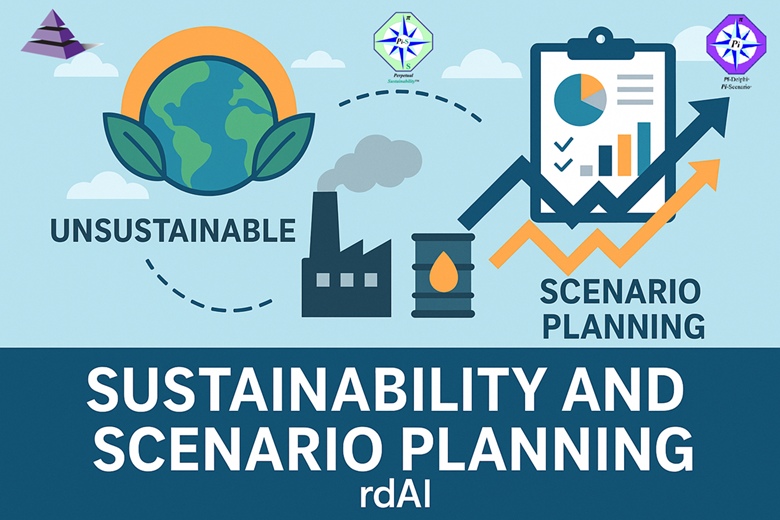
    Unsustainability as the Engine of Sustainability and Scenario Planning

    Sustainability and scenario planning Synergy. Sustainability and scenario planning may seem like two separate domains—one focused on resource stewardship and long-term resilience, the other on mapping uncertainties and preparing for multiple futures. Yet they are deeply intertwined. Anything that is not sustainable will eventually fail, and in that failure lies the seed of future scenarios….

  • Happy Days are near, but yet so far away, for Generic Viagra

    The discussion on when pharma patents expire is often long and tortuous.The the ED world of Viagra and Cialis we discuss the 2017 patent cliff here.True, Cialis patent(s) expire in 2017, so it is reasonable to expect the influx of generics soon… Here’s a list of patents related to Cialis. Note that there are a lot…

2 Comments

  1. eGolnc asks a great question. Two questions really.
    First, do farmers include the yield of the crop in their decision to buy GMO seeds. One would certainly assume, YES!. The seeds are a small part of the cost of farming. Water, pesticides, herbicides, and yield in the end. The drought-resistant crops produced at least some yield in the big drought of 2012. Good decision for those farmers.
    But the other "implied" question is related to GMO itself? What are the hidden costs, if any, of GMO to include in the costing mix? That's a whole different discussion.

Comments are closed.