
Global Weirding for a Hot n Heating Planet
Global Weirding for a Hot n Heating Planet
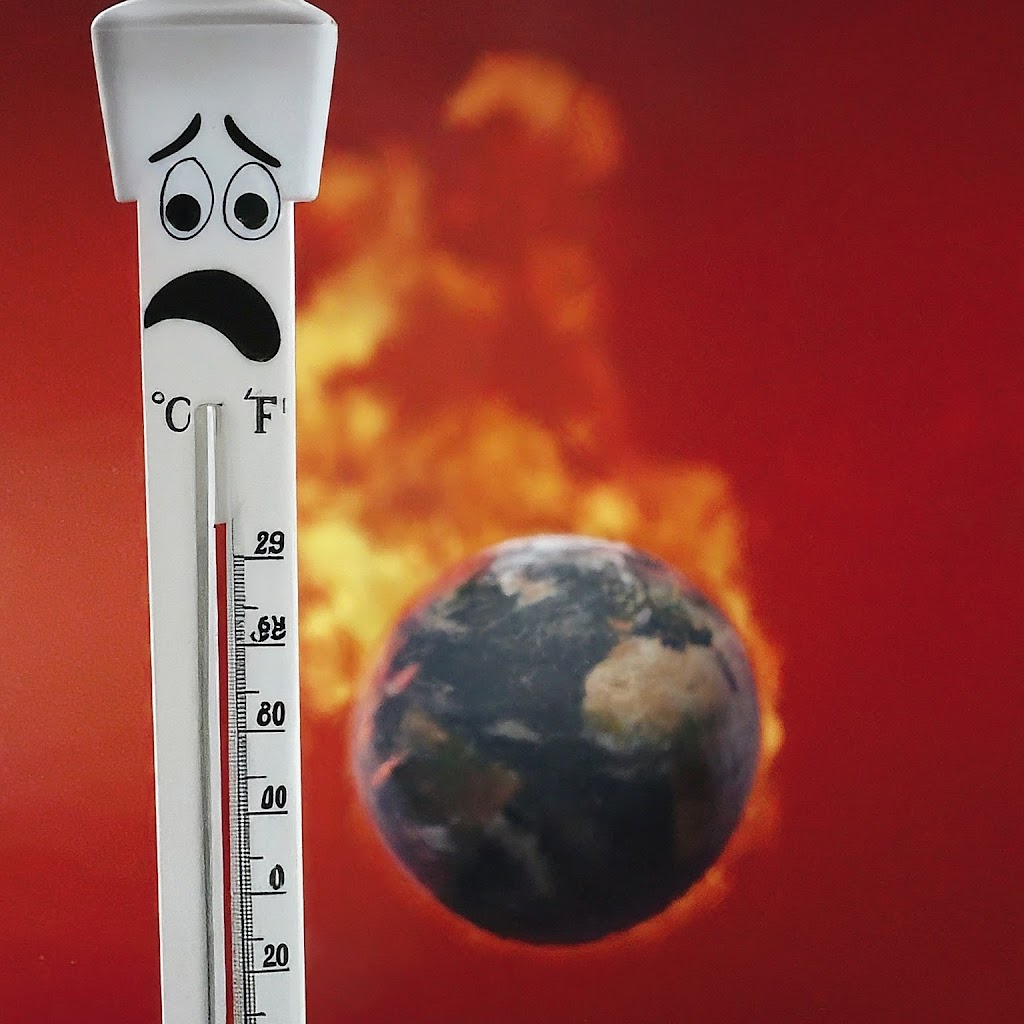
Q: Write an article that addresses these questions/topics…
What do you call it when the hottest day recorded in centuries is exceeded by…
the hottest day. When many months each year meet or exceed the hottest month in
human history? When was a month of lower than “average” temperatures,
and what do you call it when the extremes, planet-wide, are only on the hot
side?
Gemini Advanced (2024, July)
Earth’s Fever Spike: Redefining ‘Normal’ in a Warming
World
In a stark reminder of the accelerating climate crisis,
Earth has recently experienced a series of alarming temperature records.
The hottest day in recorded history has been surpassed
multiple times within a matter of weeks. Months once considered exceptionally
hot are now commonplace, raising questions about what constitutes
“normal” in a rapidly changing climate.
A New Era of Extremes
Scientists are grappling with terminology to describe these
unprecedented events. The phenomenon of the hottest day being repeatedly broken
has been dubbed a “fever spike” by some, reflecting the planet’s
escalating temperature. The frequency with which monthly averages meet or
exceed the hottest month in recorded history is indicative of a fundamental
shift in climate patterns.
The Vanishing ‘Normal’
Historically, global temperatures have fluctuated within a
relatively predictable range, with periods of warmer and cooler months
balancing out over time. However, recent trends have shattered this balance.
The concept of a “normal” temperature range is becoming increasingly
obsolete as extremes on the hot side become the norm.
The term “climate weirding” has emerged to
describe this unsettling trend, encompassing not only record-breaking heat but
also other unusual weather events, such as extreme rainfall, prolonged
droughts, and intensifying storms. These anomalies are attributed to the
accumulation of greenhouse gases in the atmosphere, primarily from human
activities like burning fossil fuels and deforestation.
The Implications
The implications of these escalating temperatures are
profound and far-reaching. Rising sea levels threaten coastal communities,
while droughts and floods disrupt agriculture and jeopardize food security.
Heatwaves pose serious health risks, particularly for vulnerable populations,
and ecosystems struggle to adapt to the rapid pace of change.
A Call for
Action
Scientists and
climate activists are sounding the alarm, emphasizing the urgent need for
drastic action to curb greenhouse gas emissions and mitigate the worst impacts
of climate change. The transition to renewable energy sources, sustainable land
management practices, and international cooperation are essential components of
a comprehensive climate action plan.
Q: What are the
10 most distinct symptoms of global warming over the last 10-20 years. Bullet
items please.
Gemini
Advanced (2024, July)
10 Distinct
Symptoms of Global Warming over the Last 10-20 Years:
- Rising global average temperatures: The
planet’s average temperature has been steadily increasing, with the last
decade being the hottest on record. - More frequent and intense heat waves:
Heatwaves are becoming more common and lasting longer, leading to health
risks and stress on ecosystems. - Melting glaciers and polar ice caps: The loss
of ice is contributing to rising sea levels and disrupting habitats for
Arctic wildlife. - Rising sea levels: As ice melts and warmer
water expands, coastal communities are facing increased flooding and
erosion. - Changes in precipitation patterns: Some areas
are experiencing more intense rainfall and flooding, while others are
facing prolonged droughts. - More extreme weather events: Hurricanes,
storms, and wildfires are becoming more frequent and severe due to the
changing climate. - Ocean acidification: The absorption of excess
carbon dioxide by the oceans is making them more acidic, harming marine
life. - Loss of biodiversity: Climate change is
contributing to the extinction of species and disrupting ecosystems around
the world. - Shifts in plant and animal ranges: As
temperatures change, species are forced to migrate to find suitable
habitats, impacting food chains and ecosystems. - Increased risk of wildfires: Warmer
temperatures and droughts create ideal conditions for wildfires to start
and spread rapidly.
·How
scientists are sounding the alarm on climate change – Earth Day
·
www.earthday.org The Earth’s escalating
temperature is a stark reminder that we are living in a time of unprecedented
climate change. The terminology used to describe these events may evolve, but
the underlying message remains clear: Urgent action is needed to safeguard the
planet’s future.
·
Earth just experienced its hottest day ever
recorded
·
How scientists are sounding the alarm on climate
change – Earth Day
#GlobalWarming #ClimateChange #RecordHot #ExtremeHeat #GenAI #GenerativeAI #RegenerativeAI

