
Military Scenario Planning

It is hard to imagine a world where the (US) military did not make plans for a pandemic like the coronavirus (COVID-19). Each and every military must have a plan for weaponized bio-warfare. In fact, every military will have their own plans for ways they can weaponize biowarfare. Think about the types of bioweapons the terrorist groups might want to employ?

The military has been planning for the big issues of global warming and has been shouting out that climate change is one of the biggest risks to the world in the future. Droughts and rising sea levels will produce mass instability in regions, much along the line of the human tragedies in Chad, Sudan, Syria, etc. For decades now, the military has warned of the risks of climate change on US national security. Pentagon, for example, here.

With the pandemics that have passed through (Ebola, SARS, mosquito-borne) over the last 10-20 years, this too is a national security threat.

In the spirit of Scenario planning, setting up sign-posts and early warning signs, you have to wonder when the military started to escalate the coronavirus outbreak in China to the highest risk levels of world, and therefore US pandemic. November? December? The military would already have contingency plans to help other countries. By early December 2019, the signposts were visible for a spread from China to the rest of the world. By mid December, the US mainland would have been clearly at risk.

The power of having scenario plans, early warning signs, and contingency plans, can break down anywhere along the line. All of the planning in the world is useless, if you don’t react and implement.

Similar Posts

  • | |

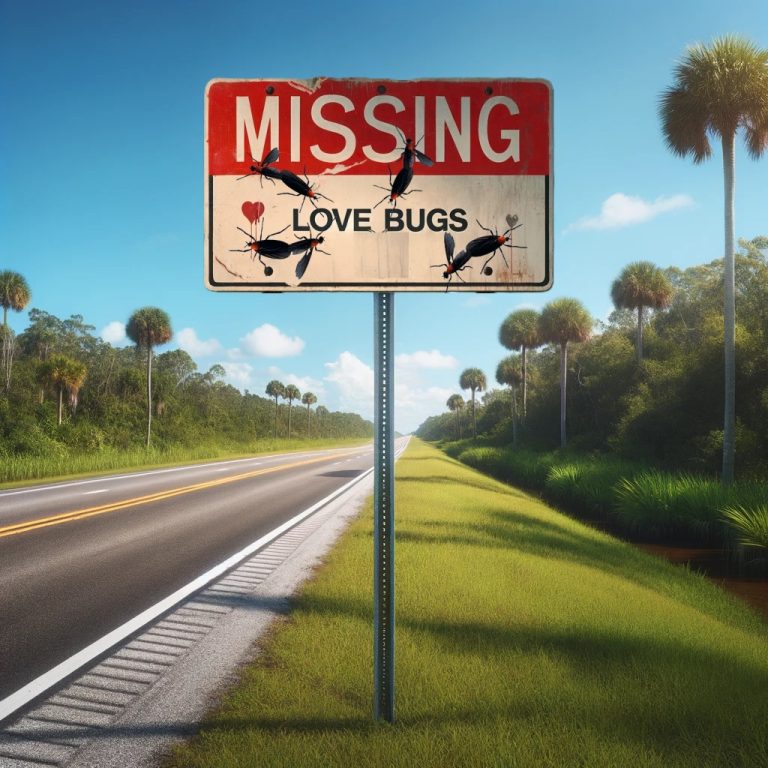
    Are Missing Love Bugs a Warning Sign?

    Missing Love Bugs in Florida. E. Hall (2024, May) with (very) little help from DALL-E (OpenAI). As we go into Love Bug season in May, seeing no lovebugs may leave us allwith mixed emotions: happiness and dismay!  [There have been some lovebug sightings, but not many… Let’s see how the season goes.] This is one…

  • | | | | | | | | | | | | | | | |

    Perpetual Sustainability at a Crossroads: World Water Day and Earth Day 2026

    World Water Day, March 22, 2026, the 33rd observance since its UN establishment, focuses on “Water and Gender,” highlighting equity in access and governance. One month later (April 22), the 56th Earth Day carries the theme “Our Power, Our Planet,” emphasizing collective agency in accelerating the energy transition. From awareness to accountability in the productivity…

  • | |

    Invest Yourself – Roaches, Never Just One

    Free Investment Newsletter | Invest Yourself: I really like what they (Robert B. Rinear) say on the currency. That all seems very very true.  The currencies in the world are all crap. The best may be Japan and they can’t keep the Yen low enough to be a competitive exporter so it is wreaking havoc on their economy… The…

  • | | | | | | | | | | | | | | | | |

    Bridging the Discussion Divide with GenAI

    Ray had known Dana for 19 years, since their daughters learned to ride bikes in his cul-de-sac. On the last Saturday in June they stood in his driveway and agreed, without hesitation, on a single proposition: only American citizens should vote in American elections. 90 seconds later, Dana was walking to her car. What happened…

  • |

    Earth Day 2023: Invest in Our Planet

    I got my new best buddy Bard (AI from Google) to help with two blogs: World Water Day 2023: Accelerating Change in March and Earth Day 2023: Invest in our Planet in April (this blog post). The world’s population is growing rapidly — blasting through the 8 billion humans on the planet last year —…

  • |

    Scenarios that Jump Out At You

    There are several scenarios that jump out at you. Hall and Knab (2012) outlined 11 or so items that were non-sustainable trends/practices that appeared to have compounding and accelerating forces. Those items get worse in a wicked bad way when they go unattended. Therefore, they are wonderful areas to generate scenarios. Here’s a few: US…